AI Seekho 2026: Pakistan’s Strategic Leap into the Global AI Arms Race

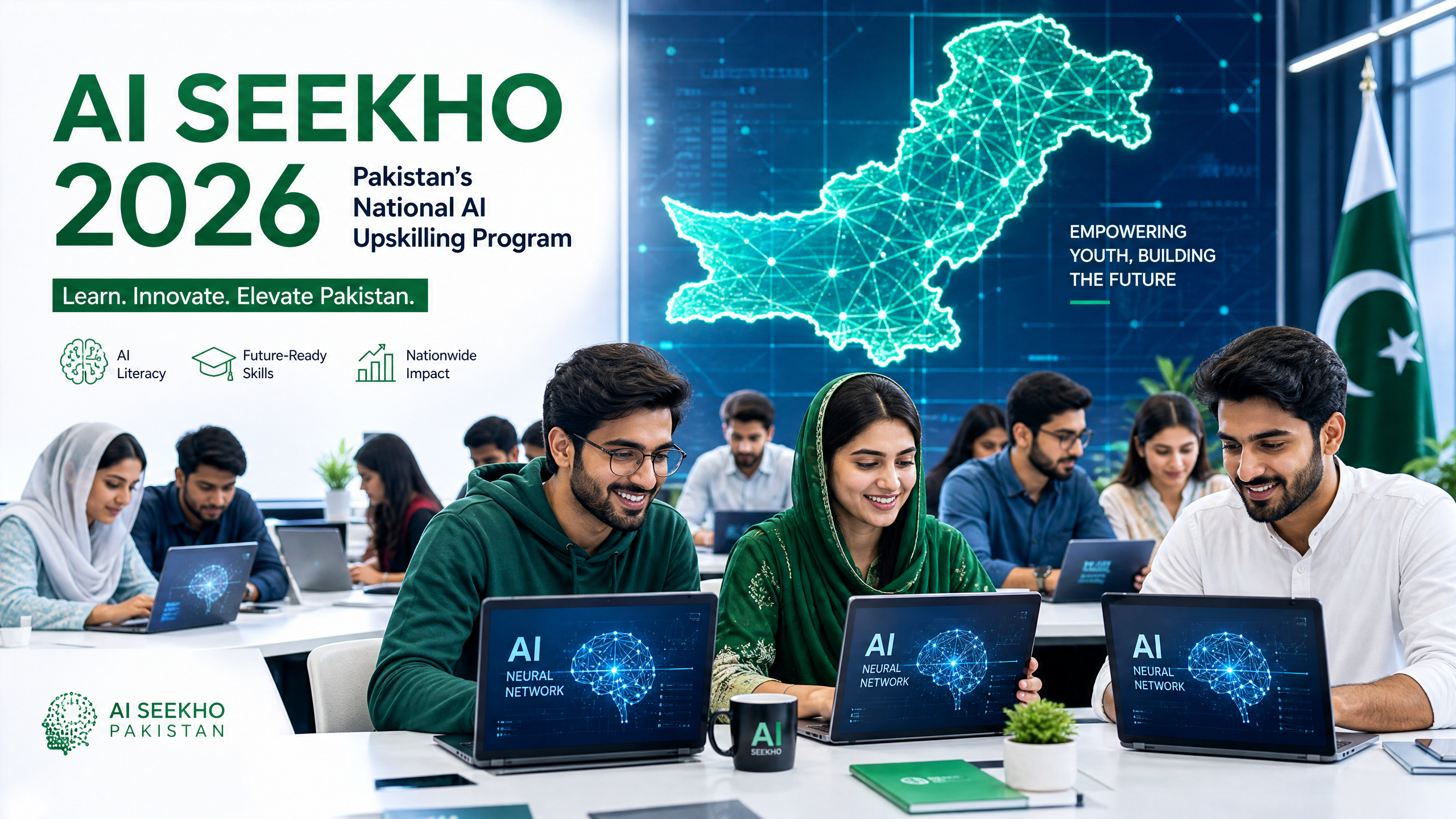
AI Seekho 2026: A Deep Dive into Pakistan’s National AI Upskilling Program
The Pulse
AI Seekho 2026 is Pakistan’s flagship initiative to elevate AI literacy and skills nationwide, targeting massive workforce transformation by 2026. This program aims to bridge the technology gap by providing accessible AI education and training, positioning Pakistan as a regional AI hub. The stakes are high as Pakistan navigates its digital future amid global tech competition.
Core Significance
- National Competitiveness: AI Seekho 2026 is critical for Pakistan’s ability to compete in the global digital economy.
- Workforce Transformation: The program promises upskilling of millions, addressing the acute shortage of AI talent in Pakistan.
- Economic Growth: AI adoption is expected to boost productivity across sectors such as agriculture, manufacturing, and services.
- Inclusive Development: By focusing on accessibility, AI Seekho intends to democratize AI education beyond urban centers.
- Geopolitical Tech Positioning: Strengthening Pakistan’s AI capabilities can influence its geopolitical standing in South Asia and beyond.
Deep Context
AI Seekho 2026 was launched in early 2024 under the auspices of Pakistan’s Ministry of Information Technology and Telecommunication (MoITT) in collaboration with leading universities, tech firms, and international partners. This initiative addresses a pressing need: Pakistan’s technology sector has struggled to keep pace with rapid AI advancements globally.
Historically, Pakistan’s digital ecosystem has been constrained by limited infrastructure, uneven educational resources, and brain drain affecting its technology workforce. However, the past decade saw growing investments in IT parks and startups, signaling readiness for a large-scale AI upskilling push.
The program builds on pilot projects conducted since 2021, which demonstrated promising outcomes in AI literacy and job placement for trainees. Government reports highlight that less than 5% of Pakistan’s workforce had formal AI or machine learning training prior to these efforts, underscoring the scale of the challenge.
AI Seekho 2026 is also a response to global trends. According to the World Economic Forum, AI-related jobs will constitute a significant share of the labor market by 2030. Countries that fail to prepare risk economic stagnation and widening social inequalities. Pakistan’s policymakers recognize this urgency, integrating AI Seekho into the broader Digital Pakistan vision.
Moreover, regional dynamics influence this initiative. With India and China investing heavily in AI education and infrastructure, Pakistan’s national program serves as a strategic move to avoid technological marginalization in South Asia. The collaboration with international AI research centers aims to bring best practices and cutting-edge curricula to Pakistani learners.
Strategic Outlook
Looking forward, AI Seekho 2026 is expected to evolve beyond its initial phases into a comprehensive AI ecosystem catalyst. Key milestones to watch include:
- Expansion of Training Modules: Incorporating advanced AI topics such as natural language processing, computer vision, and ethical AI frameworks by 2025.
- Public-Private Partnerships: Increasing collaborations with multinational companies to provide internships and job placements for program graduates.
- Rural Inclusion: Developing offline and multilingual AI learning tools to reach underserved populations, enhancing digital literacy nationwide.
- AI Innovation Hubs: Establishing centers of excellence in major cities to incubate AI startups and R&D projects.
- Policy Integration: Aligning AI Seekho with data protection, AI governance, and digital ethics policies to ensure responsible AI adoption.
By 2026, the program aims to certify over 3 million Pakistanis in various AI competencies, contributing to both public sector modernization and private sector competitiveness. Success could position Pakistan as a regional AI education leader and attract foreign investment in technology sectors.
Data Insights
| Metric | 2023 Baseline | Target 2026 | Growth (%) |
|---|---|---|---|
| AI-Trained Workforce (Number of individuals) | 150,000 | 3,000,000 | +1900% |
| AI Startups Founded Annually | 50 | 250 | +400% |
| AI-related Job Openings in IT Sector | 12,000 | 50,000 | +317% |
| Digital Literacy Rate (Adult Population) | 45% | 70% | +55% |
Infographic: Projected Growth and Impact of AI Seekho 2026
Expert Nuance
Experts emphasize that while AI Seekho 2026 is ambitious, its success hinges on addressing several nuanced challenges. Dr. Amina Tariq, a leading AI researcher at the National University of Sciences and Technology (NUST), notes:
“Upskilling at scale requires not just content delivery but sustained mentorship and practical exposure. We need to integrate AI learning with real-world problem solving, especially tailored to Pakistan’s socio-economic context.”
Similarly, industry leaders caution about infrastructure gaps. “Internet connectivity and computing resources remain uneven in rural areas,” says Farhan Siddiqui, CTO at a Karachi-based AI startup. “Without digital infrastructure investment, the program risks leaving behind large population segments.”
Policy analysts also highlight the importance of ethical AI adoption. Pakistan’s AI ecosystem must consider data privacy laws and bias mitigation strategies from the outset to build public trust and global credibility. The Ministry of IT has reportedly begun consultations with international bodies such as the IEEE and the AI Ethics Initiative to frame regulatory guidelines.
Finally, geopolitical analysts point out that AI Seekho 2026 could reshape Pakistan’s strategic posture. By cultivating indigenous AI expertise, Pakistan can reduce dependency on foreign technology imports and strengthen national security applications.